Newest Articles
The Anatomical, Clinical,and Management Distinctions
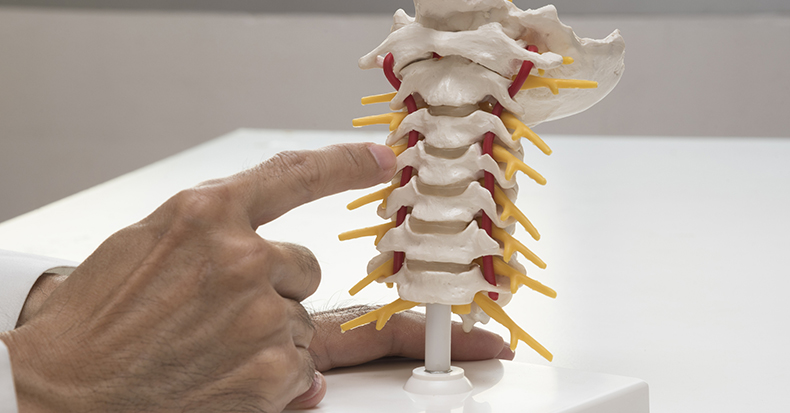
The Cervical Disc isNOT a Mini Lumbar Disc
Most of what is understood and taught about the intervertebral discs was ascertained by studying the lumbar discs. The “era of the intervertebral disc” began in 1934 when William Jason Mixter and Joseph Seaton Barr read their paper, Rupture of the Intervertebral [..]
Through their initial chiropractic college instruction, as well as continuing education and post-graduate training/certification, doctors of chiropractic are equipped with a variety of techniques and therapies to manage musculoskeletal conditions, including low back pain (LBP). Studies have found that a common contributory cause of LBP is dysfunction of the thoracolumbar fascia (TLF). The purpose of [..]
While nuts make for a tasty snack, they are also a great source of nutrients that are linked to better health. In January 2022, the American College of Cardiology reported that nuts contain healthy fats, protein, vitamins, and minerals, and regular nut consumption can reduce the risk of heart disease by up to 14%. Not [..]
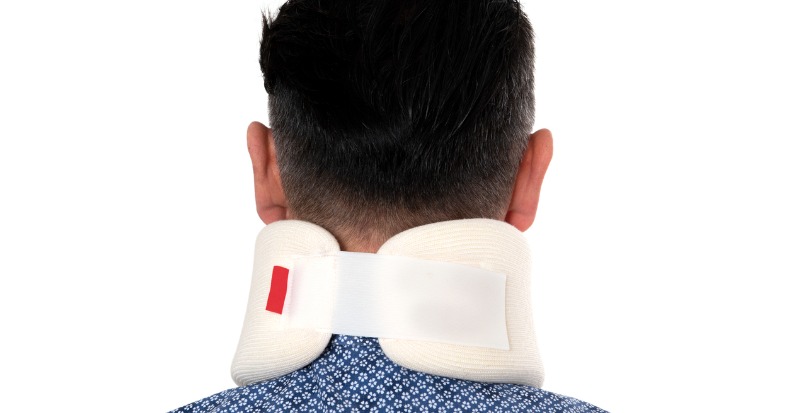
When paramedics suspect a neck injury following a motor vehicle collision, they will utilize a cervical collar to immobilize the neck for transport to the emergency room so a more comprehensive examination can take place. While a cervical collar is essential in these situations for achieving the best possible outcome, there is another type of [..]
For the elderly adult, falls can result in severe injury and a loss of independence. One major cause for serious falls in the older population is dizziness. While there are many causes of dizziness, one that is often overlooked is dysfunction in the cervical spine that affects proprioception, or the ability to know where parts [..]
To restore function following a shoulder injury or surgery, it’s important for the patient to perform rehabilitative exercises. While there are many classic exercises that are considered “standard” in rehab post-injury/surgery shoulder conditions, new research suggests that high-intensity interval training (HIIT) may be more effective.
High-intensity interval training is an exercise concept that is characterized [..]
Carpal tunnel syndrome (CTS) is most often associated with repetitive movements and inflammation that impedes the function of the median nerve as it passes through the wrist, but recent studies have identified vitamin D deficiency as a risk factor for CTS, as well as more severe CTS-associated symptoms.
Vitamin D plays many roles in the [..]
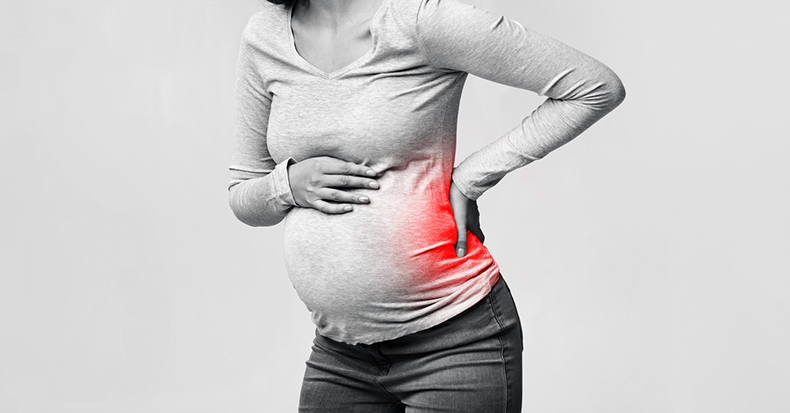
Low back and/or pelvic pain in pregnancy is extremely common.
A study published in the journal Spine in 1996 indicated that 76% of women reported back pain at some time during pregnancy (1).
A study published in the Australian and New Zealand Journal of Obstetrics and Gynaecology in 2002 indicated that 35.5% of pregnant women [..]
Between 1993 and 2013, the number of lumbar fusion surgeries for low back pain and related spinal conditions increased significantly from 61,000 per year to 450,000 per year! Unfortunately, up to 61% of patients who undergo back surgery will continue to experience chronic low back pain. Many of these patients will opt for non-surgical care [..]
Forward head posture is a common postural fault in which the head’s center of gravity rests forward of the sagittal plane, and it’s typically associated with frequent electronic device and screen use. The further the head sits in front of the shoulders, the harder the muscles in the back of the neck, shoulders, and upper [..]
Whiplash associated disorders (WAD) is a term that describes the cluster of symptoms that can arise from an injury caused by the sudden acceleration and deceleration of the head and neck, most often seen in a motor vehicle collision. Whiplash injuries are classified in four levels: WAD I (no/minimal complaints/injury); WAD II (soft-tissue injury—muscle/tendon and/or [..]
The anatomical and physiological differences between men and women are obvious in many ways. But one way that’s often overlooked is how these differences relate to knee-related injuries, of which women may be between two-to-eight times more at risk for than men.
When it comes to the lower extremities, an issue in the foot, ankle, [..]